

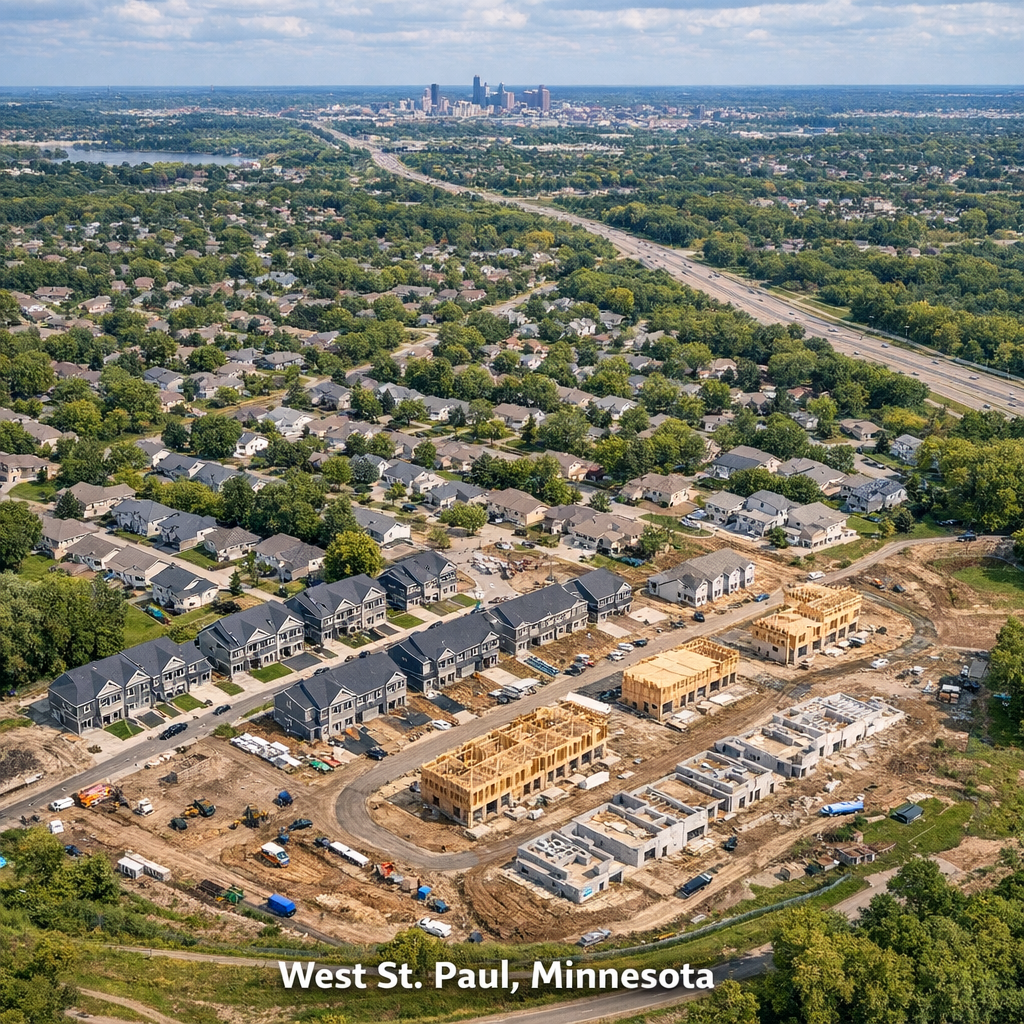
West St. Paul, Minnesota, offers a dynamic housing market that caters to a variety of residents, from first-time homebuyers to seasoned investors. Understanding the current trends, rental landscape, and ongoing developments is essential for making informed decisions.
Current Housing Market Trends
As of March 2026, the median sale price for homes in West St. Paul was approximately $315,000, reflecting a 6.7% decrease compared to the previous year. Despite this decline, the market remains competitive, with homes typically selling after 20 days on the market, up from 14 days the previous year. Notably, the number of homes sold in March increased to 23, up from 16 the previous year, indicating sustained buyer interest.
Rental Market Insights
For those considering renting in West St. Paul, the average rent as of March 2026 was $1,417 per month. This figure is below the national average of $1,910, making the area an attractive option for renters seeking affordability without compromising on amenities. The rental market has experienced a slight year-over-year increase of 0.2%, suggesting stability in rental prices.
Local Development Projects
West St. Paul is witnessing several development projects aimed at enhancing the community’s appeal. Notably, the Farwell-on-Water development introduced 284 new apartments along the Mississippi River, marking a significant step in revitalizing the West Side riverfront. This project reflects the city’s commitment to transforming underutilized areas into vibrant residential spaces.
Additionally, the conversion of the Landmark Tower into 187 luxury apartments demonstrates a trend of repurposing existing structures to meet housing demands. Such developments contribute to the diversification of housing options available to residents.
Conclusion
West St. Paul’s housing market offers a blend of opportunities for buyers and renters alike. With competitive home prices, stable rental rates, and ongoing development projects, the city continues to evolve as a desirable place to live. Staying informed about these trends will empower residents and prospective homeowners to make decisions that align with their housing goals.