

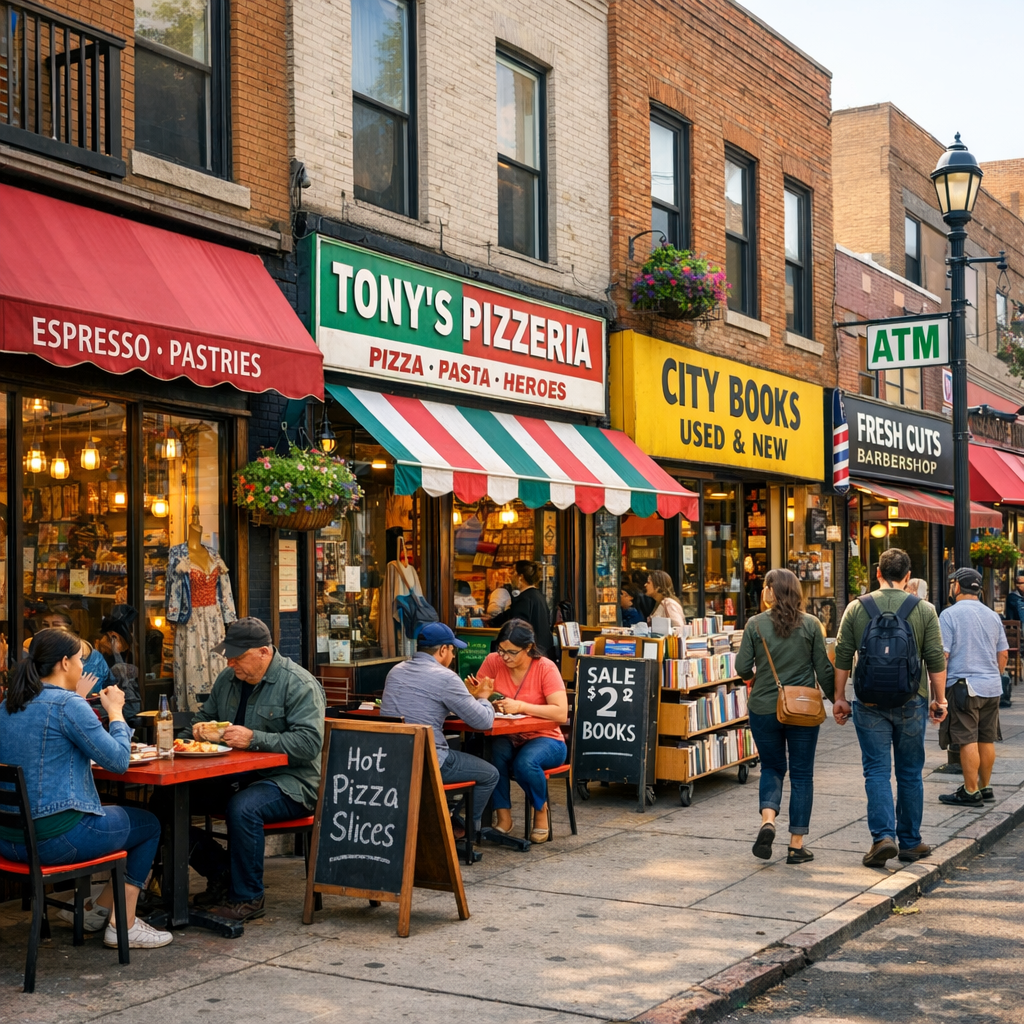
West St. Paul’s business and economic scene is changing in noticeable ways. From new businesses opening to commercial properties redeveloping, the city is navigating a transition that offers both challenges and opportunities. Below is a look at key trends and what they mean for entrepreneurs, local workers, and the broader community.
1. Business Turnover and New Owners
It’s not uncommon in West St. Paul to see family-owned businesses close, longtime operators retire, or smaller firms relocate. What’s equally common, though, are new businesses stepping in—often small operations or local franchises—seeking out vacant storefronts or repurposed properties. Local feedback indicates a majority of businesses feel positive about the climate here, and many new entrepreneurs are optimistic, seeing openings where others saw decline. This kind of turnover can feel unsettling but is also part of a healthy economic renewal.
2. Supportive City Policies and Economic Tools
The city’s Economic Development Authority (EDA) is playing an active role in helping both existing businesses and newcomers. Tools like tax increment financing, home improvement loans, and property redevelopment programs are designed to make it easier to invest in West St. Paul—or stay when economic forces push otherwise. These incentives, together with efforts to reduce blighted properties and promote walkable commercial areas, signal the city’s commitment to long-term local economic health.
3. Job Landscape and Major Sectors
West St. Paul has hundreds of businesses employing nearly 9,000 workers, with the vast majority being small— fewer than twenty employees each. Many residents commute to nearby St. Paul, Minneapolis, and other suburbs for work, but there’s potential to grow more jobs locally. Regionally, healthcare, social assistance, manufacturing, and retail remain among the largest employers, though some sectors like professional, scientific & technical services and education face slight declines or slower growth.
4. Redevelopment and Underused Properties
Redeveloping underutilized or blighted properties is one of the city’s strategic priorities. Redevelopment agreements, especially in commercial corridors like Robert Street, play a big part in shaping what local business categories thrive. New restaurant and retail uses—especially those that can draw local foot traffic—are in demand. At the same time, the market also favors drive-through, fast-casual, and mixed-use developments due to changes in customer behavior and real estate economics.
5. What Entrepreneurs Should Know
- Make sure you understand zoning and regulatory rules. These influence what kinds of retail or services can open where they want to.
- Watch where foot traffic and visibility are growing. Streets like Robert Street remain central for commercial activity.
- Explore incentives and support—city programs, grants, or loans could make a meaningful difference in start-up or expansion costs.
- Consider flexible business models. Drive-throughs, fast casual, online components, and adaptable spaces often perform better in a changing economic environment.
- Build relationships. Collaborating with fellow business owners, community groups, and city planners opens doors for support and innovation.
Conclusion
Despite uncertainties—rising costs, shifting consumer habits, and redevelopment pressures—West St. Paul is positioning itself for steady economic vitality. The combination of new entrepreneurs, supportive policy, and ongoing investment in commercial corridors bodes well. For local business owners and those considering starting one, there’s reason for cautious optimism: the city is laying down a framework where innovation, growth, and community-rooted commerce can flourish.