
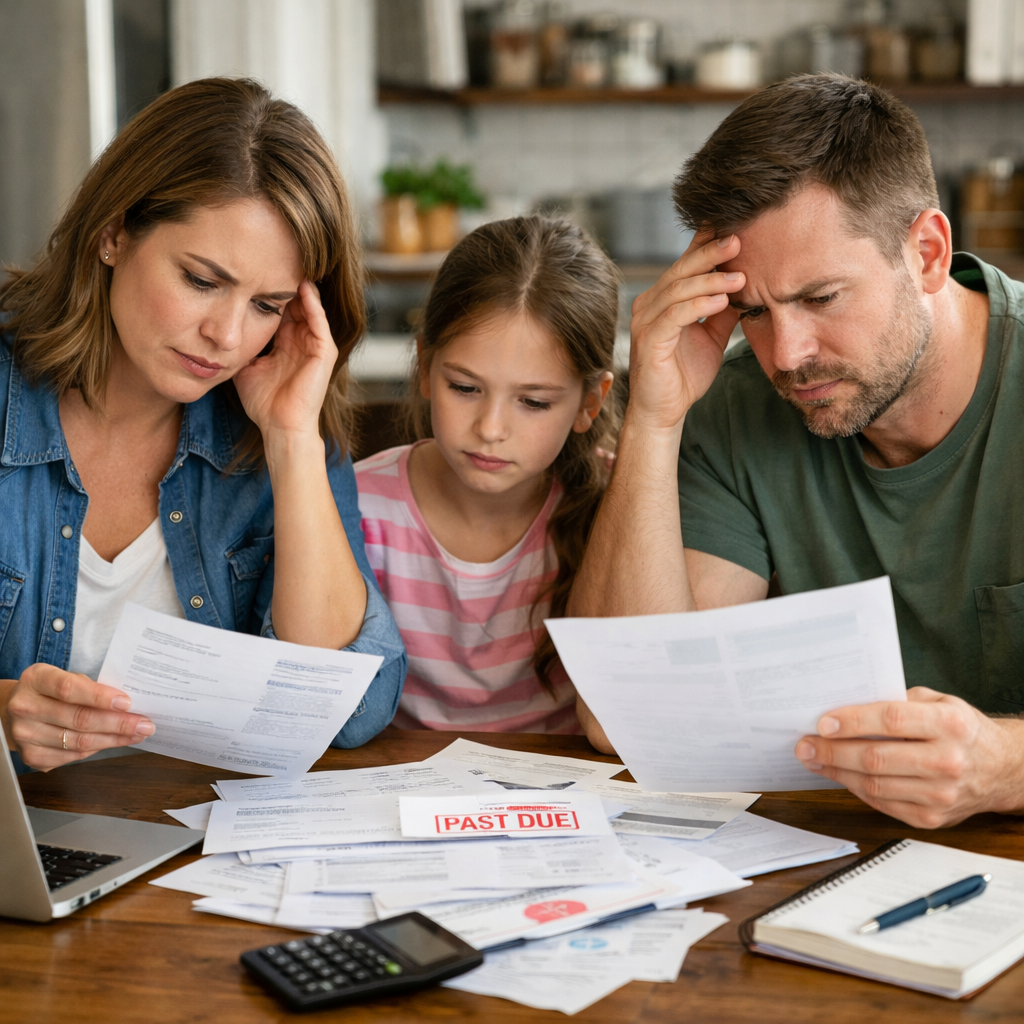
As residents of West St. Paul, Minnesota, and indeed across the nation, we are confronting significant economic challenges marked by rising inflation and escalating energy costs. These developments have profound implications for our daily lives and financial stability.
Inflation and Energy Prices
Recent data indicates that inflation has reached a nearly three-year high, with gas prices surging by 21% in just one month. This spike is largely attributed to the ongoing conflict in the Middle East, which has disrupted global oil supplies and driven up costs at the pump. Such increases strain household budgets, making it more expensive to commute, heat our homes, and manage daily expenses.
Public Sentiment and Economic Concerns
A Gallup poll reveals that about one-third of Americans view politics and government as the nation’s most pressing issues, reflecting deep-seated concerns about the political system’s impact on economic stability. This anxiety is particularly pronounced among older citizens, while younger individuals are more focused on economic challenges like housing affordability and basic needs.
Local Impact and Community Response
In West St. Paul, these national trends manifest in various ways. Local businesses may experience increased operational costs, potentially leading to higher prices for goods and services. Commuters face higher transportation expenses, and families may need to adjust budgets to accommodate rising costs. Community organizations and local government are exploring strategies to support residents during this period, including financial literacy programs and resources to manage energy expenses.
Looking Ahead
While the economic landscape presents challenges, it also offers an opportunity for communities like ours to come together, share resources, and support one another. Staying informed about policy changes, seeking assistance when needed, and participating in local initiatives can help us navigate these uncertain times. As we continue to monitor these developments, it’s crucial to engage in open dialogues about solutions that can bolster our community’s resilience and economic well-being.